Google Reviews
4.9
 (976)
(976)
(976)
 (976)
(976)
Call Us
Email Us
Location
Los Angeles, CA
Proudly American

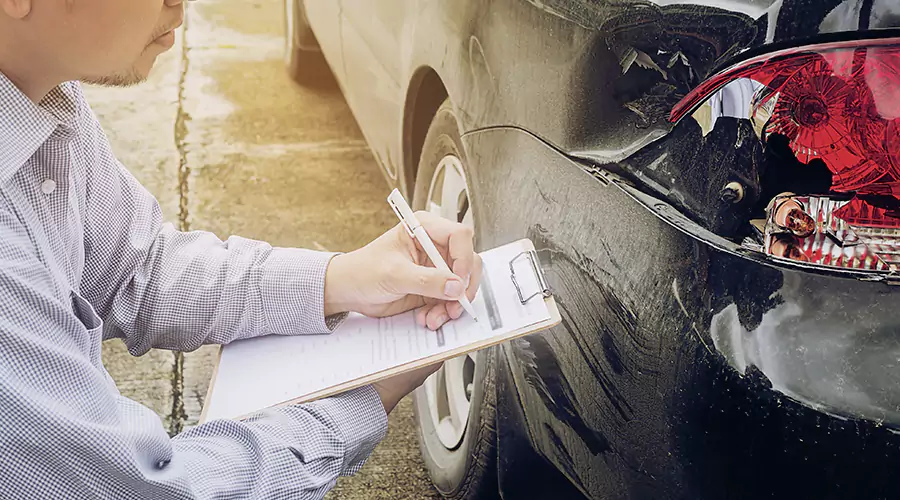
You usually cannot insure a car for normal road use while it still has a salvage title because insurers consider it unsafe until repairs are complete and verified. Most states require repairs and a formal inspection before the title changes to rebuilt status which allows insurers to review the vehicle for coverage. If the cost of repairs outweighs the vehicle’s value, salvage car removal may be a practical alternative before pursuing insurance. Your best path is to confirm your state rules complete quality repairs keep all receipts and pass inspection before requesting quotes. Expect limited options at first since liability coverage is easier to obtain while full coverage may be restricted due to higher risk and uncertain vehicle value.
A salvage title shows that a vehicle was declared a total loss after severe damage from events such as a collision flood fire or theft recovery. Insurance companies assign this status when repair costs exceed the vehicle value or come very close to it. This label signals higher risk because hidden damage may still exist and may affect safety performance and long term reliability.
Insurers expect a greater chance of mechanical or structural issues even after visible repairs are complete. Electrical systems and frame integrity may not perform reliably over time. This uncertainty affects both eligibility and pricing.
Most insurers will not provide standard road insurance for a vehicle that still has a salvage title because it has not been approved for safe driving. The car must usually be repaired and inspected before it qualifies for coverage consideration. Buyers should always confirm insurance options before purchasing such a vehicle.
Coverage becomes available after the vehicle earns a rebuilt title and meets state requirements for registration. Insurers then evaluate it based on condition and documentation. Approval is not guaranteed and may vary by company.
A salvage title indicates the vehicle is not road ready and requires repair and inspection before legal use. A rebuilt title confirms the vehicle has completed repairs and passed the state process, though the damage history remains on record. This distinction directly affects insurance eligibility.
Insurers rely on the rebuilt designation to confirm the vehicle meets basic safety standards. A salvage title alone does not provide enough assurance for most companies. Title status often determines whether coverage is even an option.
The process begins by confirming the current title status and completing all required repairs before applying for insurance. Keep detailed records of parts and labor because insurers often request proof of the work performed. After repairs, complete the state inspection and apply for rebuilt title insurance once the title status changes.
Accurate documentation and a successful inspection show that the vehicle meets safety expectations. Providing photos and repair details helps insurers assess risk more confidently. Preparation makes the application process smoother.
Insurers review documents to verify ownership, repairs, and compliance with state requirements before offering coverage. The title confirms whether the vehicle is salvage or rebuilt, while repair records explain what work was completed. Additional proof helps support the vehicle’s condition.
Clear records reduce uncertainty and help insurers evaluate risk more accurately. Missing documents can delay or prevent coverage. Complete documentation strengthens your application.
| Document | Why It Matters | Seller or Owner Action |
|---|---|---|
| Title | Shows the current title brand | Check if it says salvage or rebuilt |
| Repair receipts | Shows completed work | Keep parts and labor records |
| Inspection proof | Shows state review | Save the inspection certificate |
| Photos | Helps the insurer review condition | Take clear exterior photos |
| Registration | Shows road use approval | Confirm the vehicle can be registered |
| Vehicle history report | Shows prior damage records | Review the report before quotes |
Coverage options for rebuilt vehicles are often limited compared to clean title cars due to valuation challenges. Liability coverage is the most common option because it covers damage or injury caused to others. Broader coverage may be restricted.
Collision and comprehensive coverage may be harder to obtain or come with stricter terms. Some insurers avoid offering full protection due to uncertain vehicle value. Coverage availability depends on the insurer’s policies.
Full coverage is difficult to secure because insurers need a clear and reliable value for the vehicle before agreeing to larger payouts. A rebuilt title complicates valuation due to past damage and repair quality. This uncertainty increases risk for the insurer.
Previous structural repairs and flood damage can create long term reliability issues. These risks make future claims harder to predict and settle. Insurers adjust coverage options based on these concerns.
State regulations determine when a damaged vehicle can return to the road and qualify for registration. Insurance companies often depend on this approval before offering coverage. Requirements vary by location and may include detailed inspections.
Some states require detailed inspections while others focus on paperwork verification. These rules affect both registration and insurance eligibility. Checking your DMV guidelines prevents delays.
Comparing quotes requires honesty about the vehicle’s title status and condition so insurers can provide accurate terms. Ask each company what coverage they offer and how they calculate claim value. Differences between policies can be significant.
Focus on coverage limits, exclusions, and how the insurer values the car after a claim. A lower premium may come with reduced protection. Clear terms help you make a better decision.
Ask direct questions before you buy the policy.
Clear answers protect you from surprises. A written quote is better than a verbal answer.
Buying a salvage title car can save money upfront but comes with trade offs related to insurance and resale value. Lower purchase cost often reflects higher risk and limited coverage options. Careful evaluation is necessary because hidden damage or incomplete repairs can affect safety, reliability, and your ability to secure coverage.
Get an independent inspection to assess structural integrity and major systems before purchase. A qualified mechanic can identify hidden issues. This approach reduces uncertainty and helps you avoid costly surprises after the purchase.
Purchasing a salvage vehicle without confirming insurance can leave you unable to drive it legally. Registration may also be delayed until all requirements are met. Financial risks increase without coverage.
Insurance approval affects how soon you can use the vehicle. Financing options may also be limited for branded titles. Early checks prevent costly mistakes.
Avoid common errors that can complicate the insurance process or reduce your coverage options. Each mistake increases risk or delays approval. Careful planning helps you avoid these issues.
Liability only coverage can be a practical choice when the vehicle’s market value is low and full coverage offers limited benefit. Paying for broader protection may not be cost effective. This decision depends on value and risk.
Ask the insurer how they calculate claim payouts for rebuilt vehicles. Compare that value to the cost of additional coverage. This approach helps you choose wisely.
Preparing in advance helps you avoid delays and improves your chances of approval. Each step ensures your vehicle meets requirements and your documents are complete. Organization makes the process smoother.
A car with a salvage title usually needs repair and state approval before standard insurance becomes possible. A rebuilt title gives you a better chance at coverage.
The smartest move is to confirm title status before you buy. Then collect repair records and compare quotes from insurers that review rebuilt vehicles.

Find legal ways to get rid of a junk car without a title by verifying ownership, reviewing local requirements, and exploring buyer options.
Learn how to insure a car with a salvage title by understanding insurer requirements, inspections, coverage options, and documentation.